Prevent Warping of Flex Circuit Manufacturer
A PCB is a complex piece of equipment that requires careful design. In addition to ensuring that the design is robust and reliable, it also needs to be flexible and able to withstand shocks, vibrations, and thermal expansion and contraction. If the design is not carefully thought out, it can fail and cause serious injury to users. One common problem with flex circuits is warping.
This is caused by the differential between the material properties of the flex circuit manufacturer and those of the underlying rigid section. The difference in material properties can be caused by a variety of factors including the type of materials used, the thickness of the rigid section, and the amount of copper used in the design.
The main way a flex circuit manufacturer prevents warping is by using hot pressing treatment. This involves heating the finished PCB to a temperature that is above the Tg value of the resin in the PCB stackup materials and then placing it in a fixture. The board is then placed under pressure for a period of time to force the resin to flow. This reduces the differential between the material properties of the underlying rigid section and that of the flex section and thus prevents warping.
Another method is to use a special base material known as adhesiveless conductive fabric (ACF). This allows the flexible sections of the PCB to be adhered to the stiffer, rigid portions using a thermally conductive adhesive. This improves the reliability of the flex circuits by preventing them from shorting or causing electrical errors.
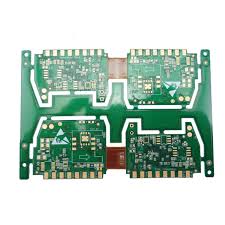
How to Prevent Warping of Flex Circuit Manufacturer
A flex circuit manufacturer can also prevent warping by staggering the traces on multi-layer designs. Staggering the traces will reduce stress contributing to the thinning of copper circuits at the bend radius. The traces should also be kept perpendicular to the overall bend radius. This will improve the longevity of the flex circuits.
The final way a flex circuit manufacturer can prevent warping is to make sure that the rigid and flex sections are designed with the same material thicknesses. If the rigid and flex sections are made with different materials, they will have different Tg and CTE values, which will cause them to expand and contract at different rates. This can cause the flex circuit to deform and even buckle.
Rigid-flex boards that are exposed to harsh environments such as extreme temperatures, moisture, chemicals, shocks, and vibration need to be engineered with accurate materials properties in order to ensure their reliability. This includes determining the minimum allowed bending radius.
The best way to avoid warping is to use a fab house that specializes in flex-rigid PCBs. These companies will have the experience and expertise to design a rigid-flex circuit that will withstand harsh environments and extreme bending. They will use the right prepregs and materials to reduce the chance of warping, as well as use a hot-pressing process that heats the entire board to minimize the differences in Tg and CTE between different layers of the stackup.