select the right components for Flex pcb supplier
In the dynamic landscape of flexible printed circuit board (PCB) manufacturing, selecting the right components is a critical decision that directly influences the quality, reliability, and performance of the final product. Flex PCB suppliers must navigate a vast array of electronic components, each with its unique characteristics, specifications, and compatibility considerations. Understanding the key factors involved in component selection is essential for ensuring the success of flex PCB projects and meeting the diverse needs of modern electronic applications.
The first step in selecting components for a flex pcb supplier project is to thoroughly understand the design requirements and specifications. Suppliers work closely with customers to identify the functional and performance criteria that the PCB must meet, including electrical parameters, mechanical constraints, environmental conditions, and lifecycle considerations. By establishing clear design objectives and constraints, suppliers can narrow down the range of suitable components and focus on options that align with the project requirements.
Once the design requirements are defined, the next step is to research and evaluate available component options. Flex PCB suppliers must consider factors such as component type, package size, pin configuration, operating temperature range, voltage and current ratings, and compatibility with the flex PCB substrate material. Additionally, suppliers may assess factors such as lead time, availability, cost, and supplier reliability to ensure timely procurement and continuity of supply throughout the project lifecycle.
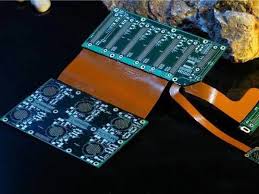
How do you select the right components for Flex pcb supplier?
Moreover, suppliers must pay special attention to the mechanical flexibility and durability of components in flex PCB applications. Unlike rigid PCBs, which have fixed form factors, flex PCBs are designed to bend, twist, and conform to irregular shapes. Therefore, components selected for flex PCBs must be capable of withstanding mechanical stress and strain without compromising performance or reliability. Flexible or ultra-thin components, such as thin-profile connectors, chip-scale packages (CSPs), and flex-rigid interconnects, are often preferred for flex PCB applications due to their ability to accommodate bending and flexing.
Additionally, suppliers must consider the solderability and soldering compatibility of components with the flex PCB substrate material. Flexible substrates such as polyimide or polyester may have different thermal properties and surface characteristics compared to rigid substrates, requiring adjustments to soldering processes and materials. Components with compliant lead designs, solderable surface finishes, and compatible thermal expansion coefficients are preferred for flex PCB assembly to ensure robust solder joints and reliable electrical connections.
Furthermore, suppliers may opt for specialized components designed specifically for flex PCB applications to enhance performance and reliability. For example, flex-compatible components may feature reinforced leads or terminations, extended operating temperature ranges, or conformal coatings to protect against environmental hazards. By leveraging these specialized components, suppliers can optimize the performance and longevity of flex PCBs in diverse application environments, such as automotive, aerospace, medical, and wearable electronics.
In conclusion, selecting the right components for flex PCB supplier requires careful consideration of design requirements, component specifications, mechanical flexibility, solderability, and application-specific factors. By understanding the unique challenges and considerations associated with flex PCBs, suppliers can make informed decisions that optimize performance, reliability, and manufacturability while meeting the diverse needs of customers and applications. Through diligent research, evaluation, and collaboration with customers and component suppliers, flex PCB suppliers can ensure the success of their projects and contribute to the advancement of flexible electronics technology.