Do your Flexible circuit board manufacturers include testing
In the fast-paced realm of electronics, where reliability and performance are paramount, flexible circuit board manufacturers are increasingly prioritizing testing and quality assurance measures to meet the stringent demands of the industry. As the complexity of flexible circuits continues to evolve and the stakes of electronic applications rise, integrating robust testing protocols and quality assurance processes has become essential for ensuring the reliability and functionality of flexible circuit boards.
Testing serves as a critical checkpoint in the manufacturing process, allowing manufacturers to identify and rectify any defects or inconsistencies before they impact the performance or reliability of the final product. From initial material inspection to end-of-line testing, flexible circuit board manufacturers employ a variety of testing techniques to validate the integrity and functionality of each component and assembly.
One of the primary testing methodologies utilized in flexible circuit board manufacturers is electrical testing, which involves subjecting circuit boards to rigorous electrical stimuli to verify their performance characteristics. Electrical tests, such as continuity testing, impedance testing, and insulation resistance testing, help identify any open or short circuits, impedance mismatches, or insulation faults that may compromise the functionality of the circuit board.
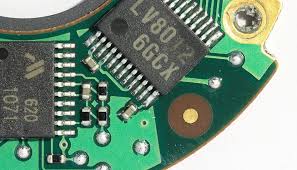
Do your Flexible circuit board manufacturers include testing and quality assurance?
In addition to electrical testing, mechanical testing plays a crucial role in assessing the durability and mechanical properties of flexible circuit boards. Mechanical tests, including bend testing, flex testing, and peel testing, evaluate the board’s ability to withstand mechanical stresses and deformations encountered during operation or assembly. By subjecting circuit boards to simulated mechanical loads, manufacturers can ensure that they meet the performance requirements for their intended applications.
Furthermore, environmental testing is essential for evaluating the reliability and robustness of flexible circuit boards in harsh operating environments. Environmental tests, such as thermal cycling, humidity testing, and vibration testing, simulate the environmental conditions to which circuit boards may be exposed during their lifecycle. By subjecting boards to extreme temperatures, humidity levels, and mechanical vibrations, manufacturers can assess their resistance to environmental factors and identify any potential weaknesses or failure modes.
Quality assurance processes complement testing efforts by establishing standards, procedures, and controls to ensure that flexible circuit boards meet the specified quality and performance criteria. From incoming material inspection to final product validation, quality assurance encompasses a range of activities aimed at preventing defects, minimizing variability, and maintaining consistency throughout the manufacturing process.
One of the cornerstones of quality assurance in flexible circuit board manufacturing is adherence to industry standards and regulatory requirements. By complying with standards such as IPC-6013 for flexible printed circuit boards and ISO 9001 for quality management systems, manufacturers demonstrate their commitment to producing high-quality products that meet customer expectations and regulatory mandates.
Additionally, implementing robust process controls and documentation procedures is essential for maintaining consistency and traceability in flexible circuit board manufacturing. Process controls, such as statistical process control (SPC) and process capability analysis, enable manufacturers to monitor and optimize production processes to ensure consistency and reliability. Documentation procedures, including work instructions, inspection records, and quality control documentation, provide a comprehensive record of manufacturing activities and facilitate traceability and accountability throughout the production process.
In conclusion, testing and quality assurance are integral components of flexible circuit board manufacturing, ensuring the reliability, functionality, and performance of electronic devices in diverse applications. By employing rigorous testing protocols, quality assurance processes, and adherence to industry standards, manufacturers can mitigate risks, minimize defects, and deliver high-quality products that meet the evolving demands of the electronics industry. As technology continues to advance and consumer expectations rise, the integration of robust testing and quality assurance measures will remain essential for driving innovation and excellence in flexible circuit board manufacturing.