electrical testing procedures for pcb assemblers
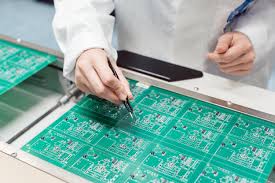
A printed circuit board (PCB) is an electronic device with conductive paths to connect various components and conduct electricity. A faulty solder connection or other fault in the manufacturing process can cause a circuit board to fail to function as intended. As a result, the PCB must undergo electrical testing to ensure that it is in working condition before shipping it to customers.
There are many different types of electrical tests that a pcb assembler can perform to assess a circuit board. These include a continuity test, which checks for short traces or open points on the bare board. X-ray inspection is another popular method for inspecting a PCB. This method allows technicians to see through the layers of a PCB to find hidden defects.
Electrical conductivity inspection is another important test for pcb assemblers to perform. This test inspects the conductivity of copper traces through metalized vias, which are commonly used in double-sided and multi-layered boards. It also checks whether a via has been properly connected to two independent traces on different layers of a PCB. If the conductivity of the via is low, it may indicate that there is an unwanted short between two traces on different layers.
What are the electrical testing procedures for pcb assemblers?
Other tests that a pcb assembling company can perform include resistance and impedance testing. These tests can be done using a multimeter or other instrument that measures the resistance of a resistor. Resistance testing is important because it ensures that the resistance of a resistor matches its stated value. It can also be used to check the quality of other types of components, such as sensors and capacitors.
Impedance testing is another useful test for pcb assemblers, as it is the best way to verify that a PCB will have an acceptable impedance level when assembled. This test is done by applying a rapid, step-up electrical signal to a PCB or coupon and measuring the amount of power that is reflected back by the circuit board. This information can be displayed on a computer screen in the form of a graph.
Some of the more advanced electrical tests that a pcb assembly company can perform are in-circuit and burn-in testing. In-circuit testing is an automated procedure that can detect open and short circuits as well as other defects in the board. It is a valuable tool for detecting problems early on in the production process, so they can be corrected before the board is complete. This test is performed on a jig that has a set of spring-loaded slim metal probes arranged in an array on insulated bed, known as a “bed of nails.” The pcb assembly company then presses the jig against the circuit board to perform the test. This method can reveal issues such as bare spots, un-solderable connections, and bad solder joints. It can also reveal problems with the design of a board, such as inadequate clearance between components or traces.